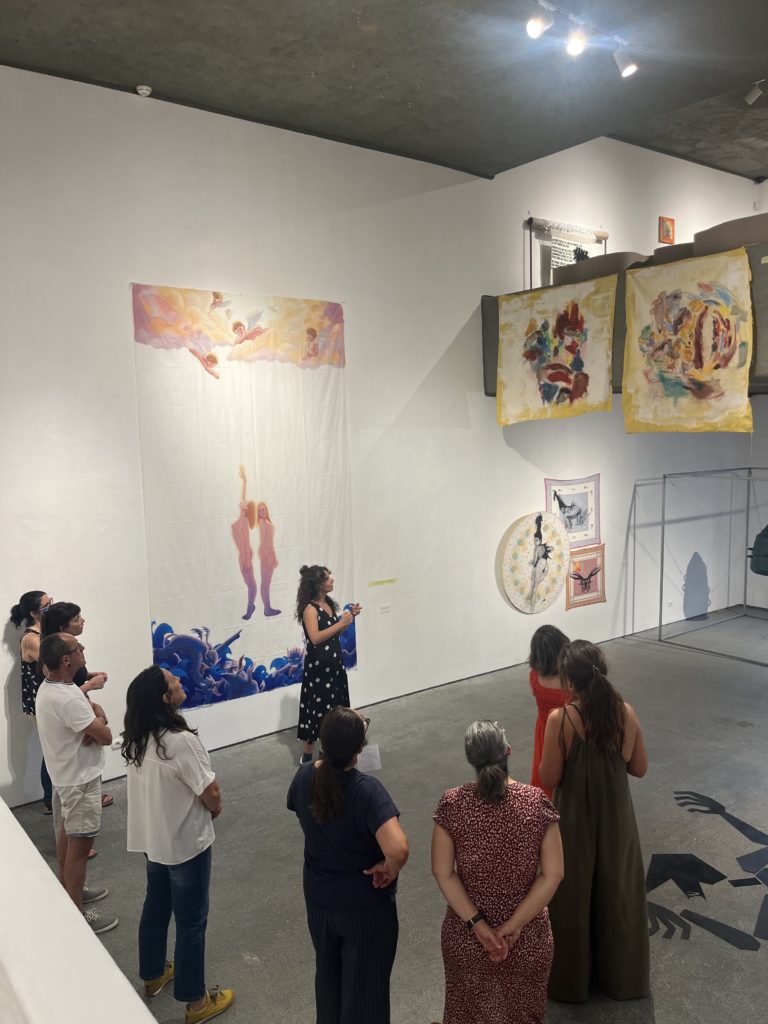
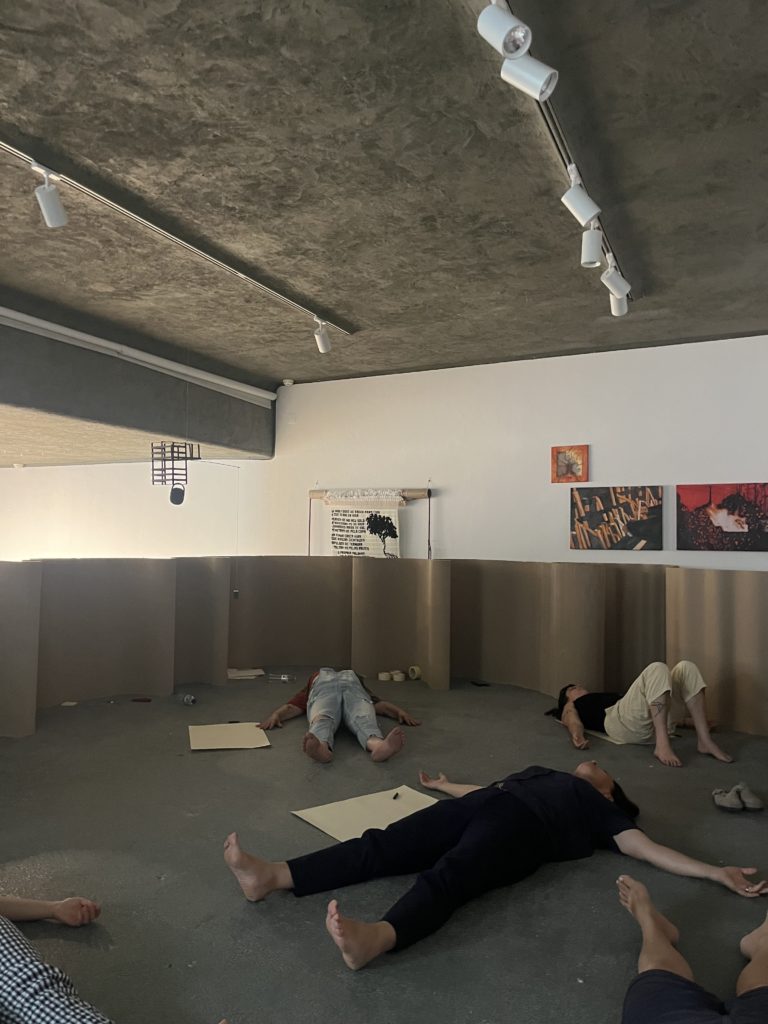
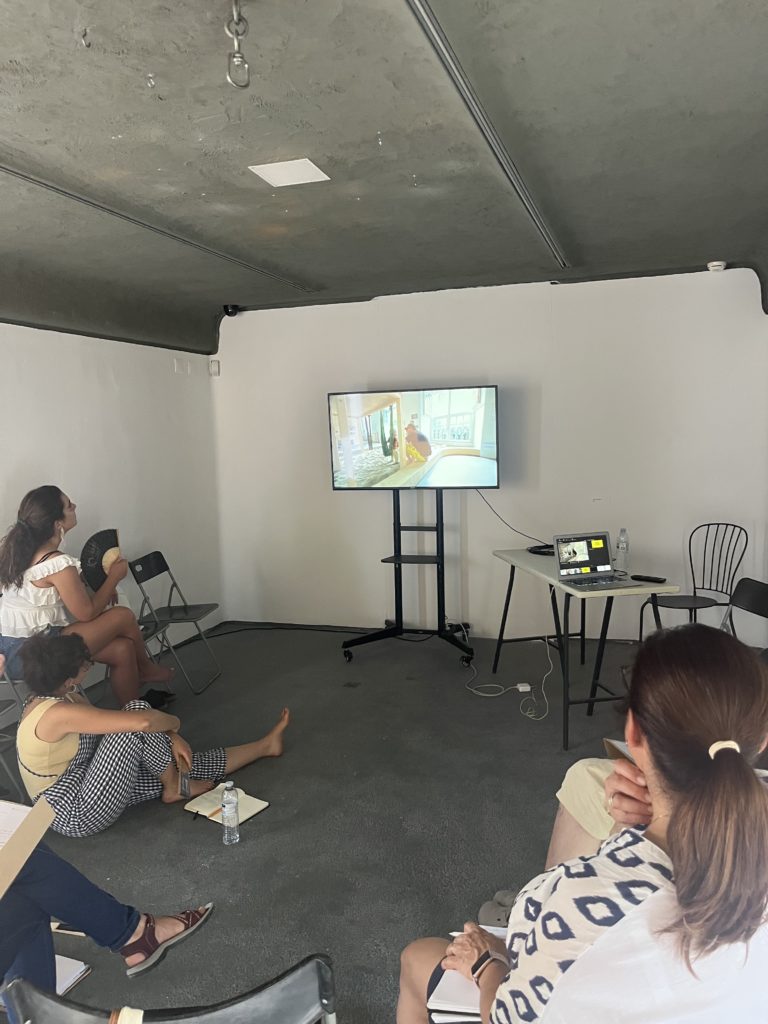
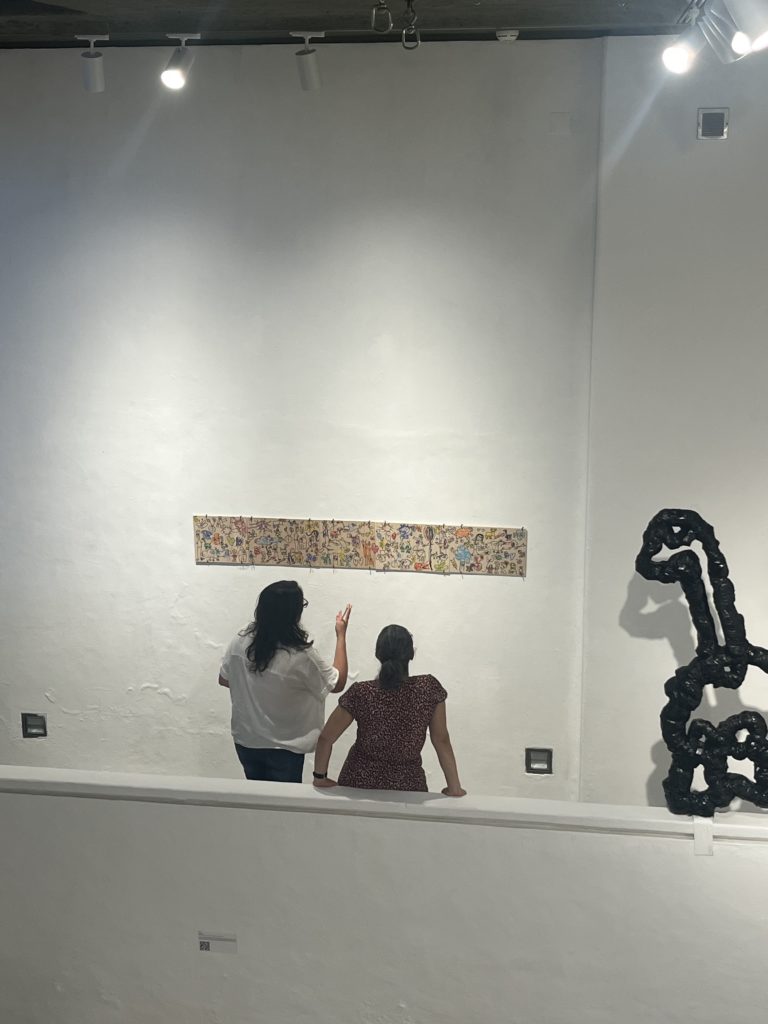
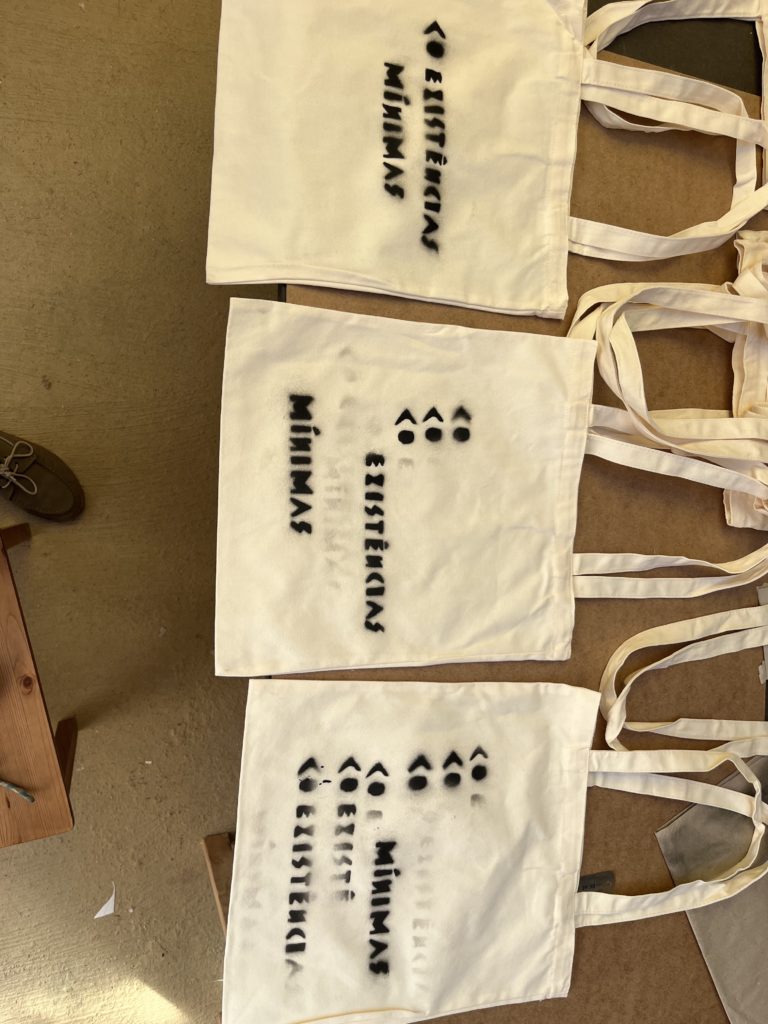
Over the past few years, I have worked with a range of cultural institutions, both in Portugal and internationally, delivering training for educators, teachers and learning professionals in the field of mediation between contemporary art and its diverse audiences. One of the most significant challenges I have encountered can be distilled into the following question:
How can we establish even the most minimal relationship between people with little or no cultural background or established habits of cultural engagement and works of contemporary art (and beyond) that are often hermetic, provocative and removed from common understanding?
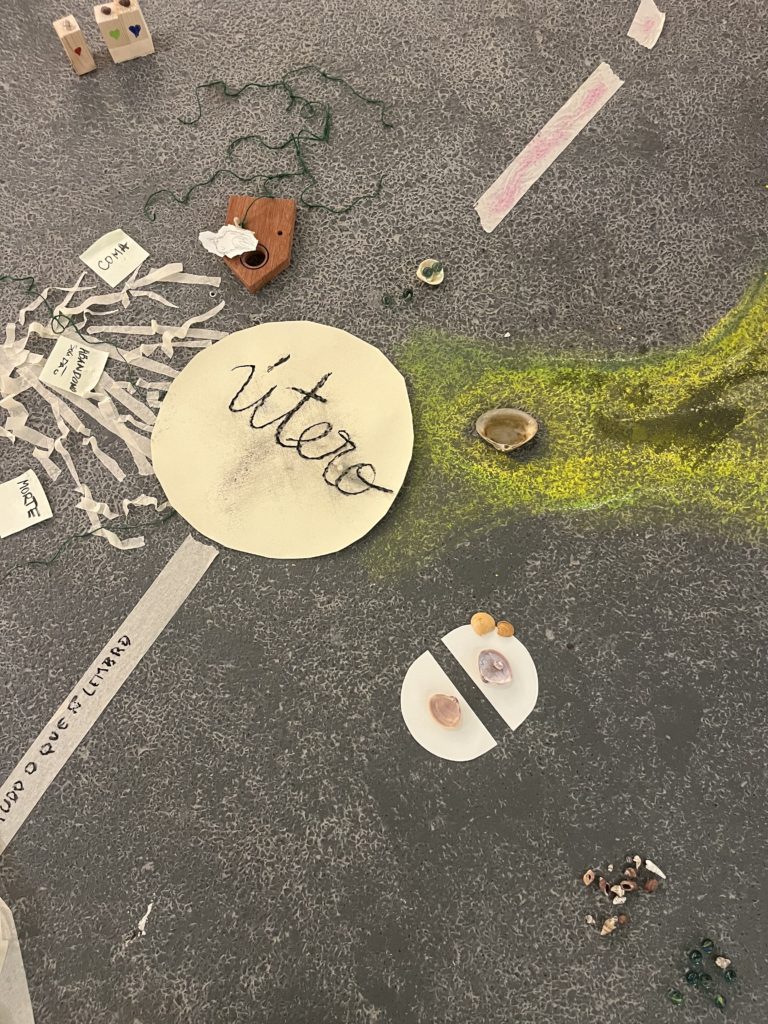
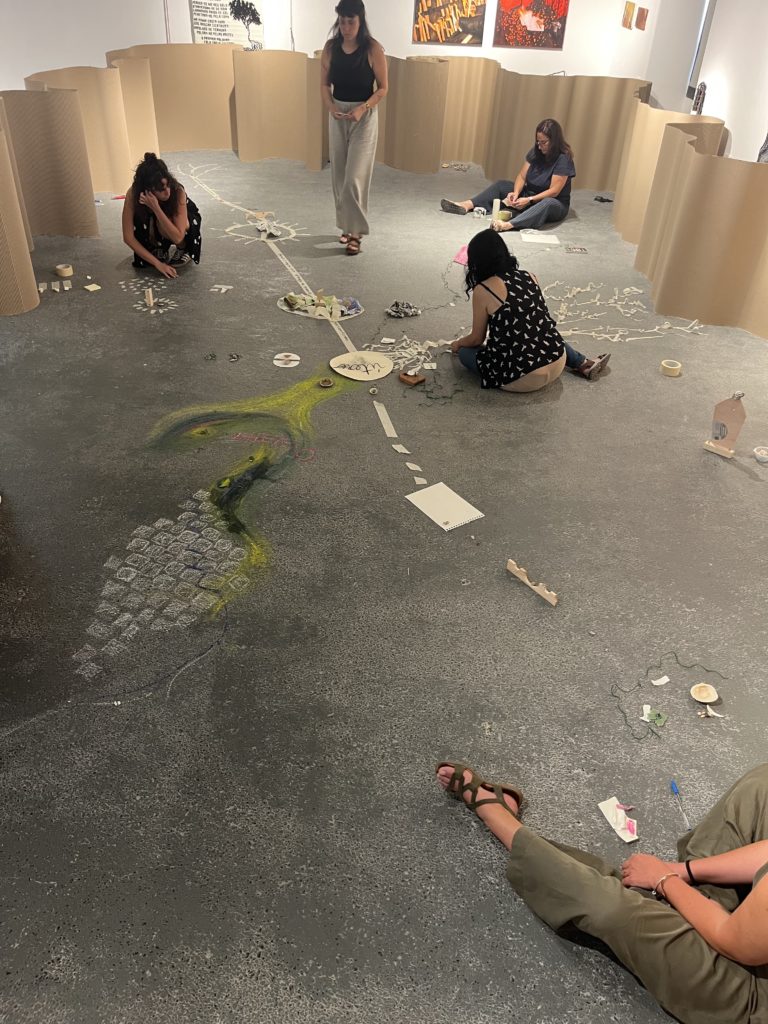
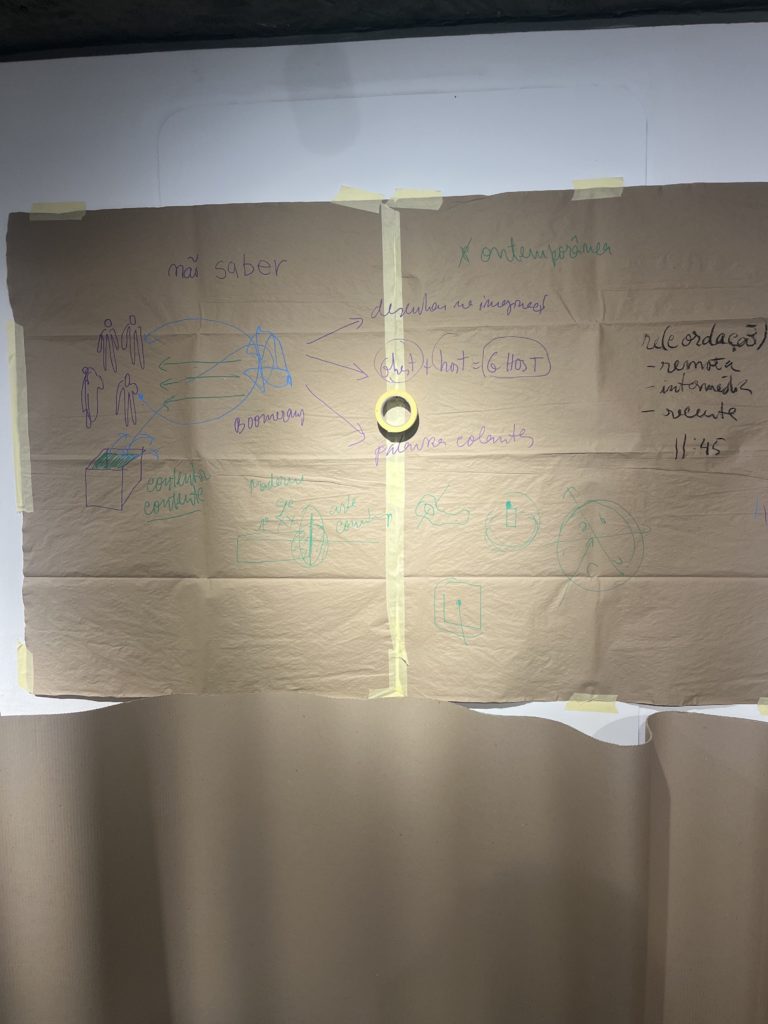
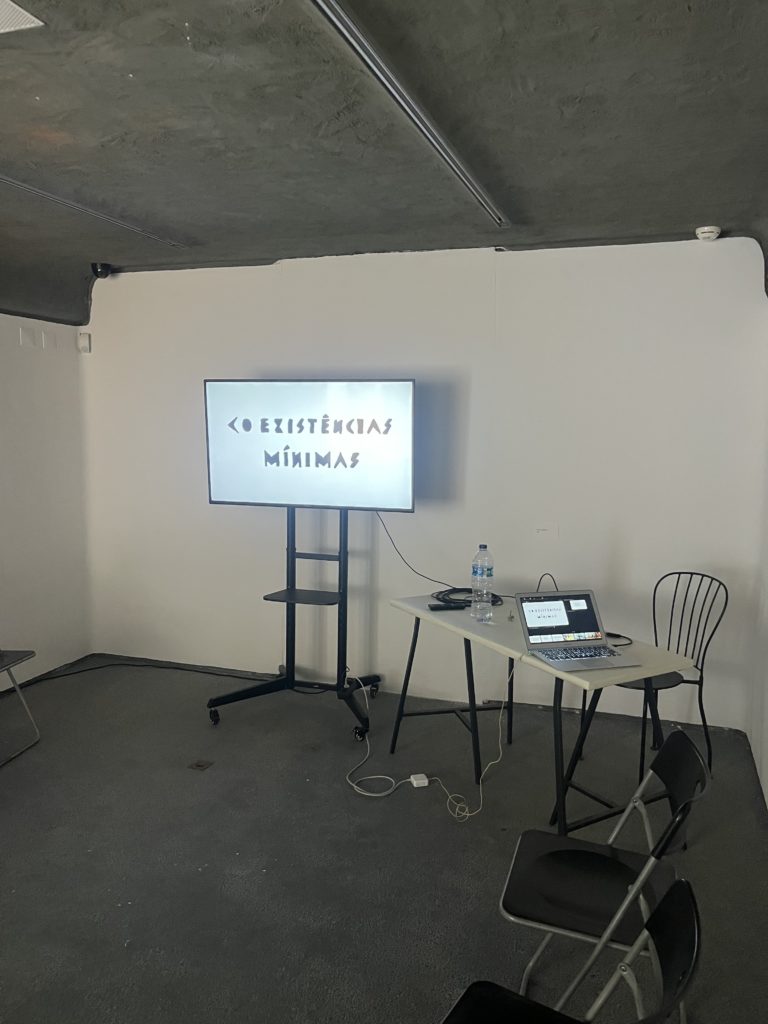
Minimal Coexistences emerges from this line of enquiry and proposes a set of working hypotheses resulting from a gradual process of methodological and conceptual refinement developed through a series of training encounters—or, as I prefer to call them, training-events—held with different groups in museums, art centres and libraries. It brings together, in a concise format, a number of concepts, practical approaches and playful tools that have emerged from the dialogue between field experience and a range of key references.
Among these, I would highlight my sustained engagement with the thinking and practice of Elvira Leite through seminars and workshops led by the artist, teacher and educator in contemporary art education and mediation; my participation in Real Time Composition workshops facilitated by the choreographer and researcher João Fiadeiro; my study and exploration of Augusto Boal’s proposals, particularly his book Games for Actors and Non-Actors (2008); and, finally, the critical contributions of participants in the many training processes I have facilitated over recent years.
The interval of non-coincidence between people and the objects on display is therefore the speculative centre that this pedagogical experiment seeks to inhabit. It positions itself in the space between these two poles, which are held in tension in order to create a relationship—however minimal, fragile or temporary—between the subjectivity of someone approaching a “thing” with the desire to make meaning from it and the strangeness of something that resists interpretation.
The aim of this experimental situation is not to prevent this accidental encounter from producing a sense of estrangement, but rather to create the minimum conditions necessary for participants to choose to remain within that challenge—to coexist—by confronting opacity while simultaneously feeling at ease within that initial incomprehension. It encourages participants to trust their own interpretations without requiring official confirmation or any form of external validation.
Reclaiming this space of spontaneous, intimate and free intuition in our relationship with works of art is both necessary and urgent. It should not be dismissed simply because specialised intellectual literacy is absent.
This training explores methodologies designed to activate processes of mediation between audiences and exhibition programmes. Through group dynamics, participants experiment with practical ways of approaching exhibitions based on a methodology that is open, spontaneous and affective, deliberately excluding intellectual forms of contextual information such as institutional texts, artists’ interviews, critical essays or books.
The proposal invites participants to remain with their uncertainties rather than seeking immediate answers. It encourages them to be surprised by the rich reservoir of questions contained within not knowing and, from that point onwards, to become active participants in the construction of new meanings and interpretations. This process fosters a form of discovery that reveals as much—or perhaps even more—about ourselves as it does about the works on display.
Participants
Artist-educators, cultural mediators, teachers, educators, learning and public engagement professionals, and community arts practitioners.
Venue
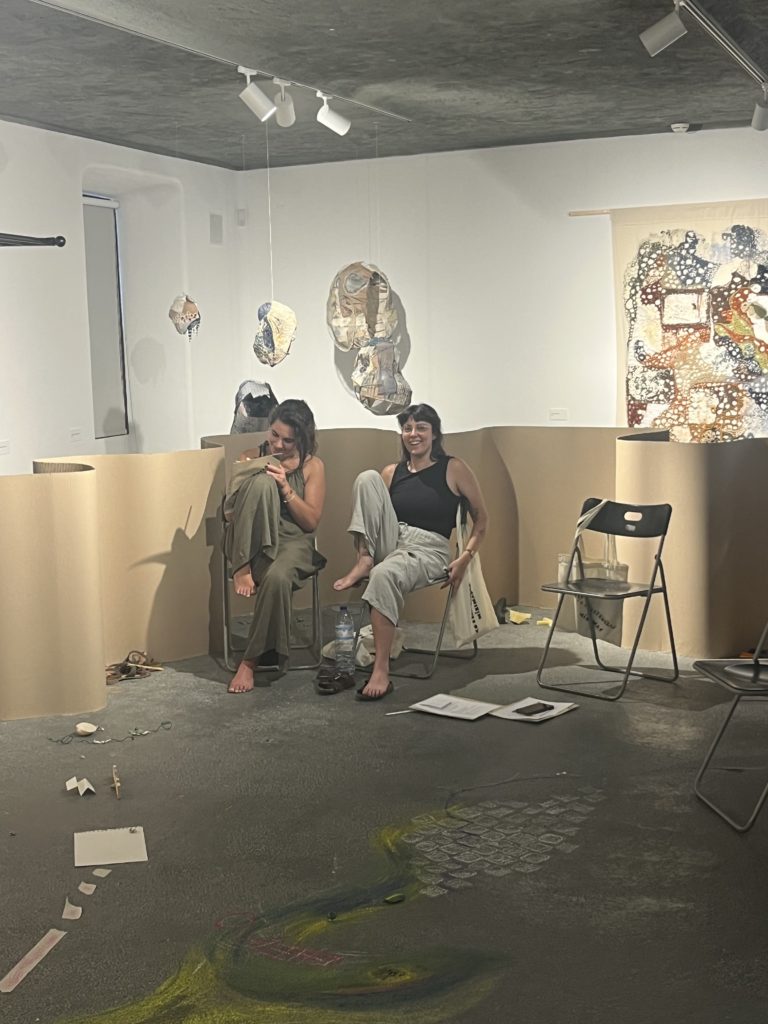
Nova Ogiva Gallery, Óbidos, July 2026.